
Looking for a Big Agnes Alternative? Therm-a-Rest NeoAir XLite NXT Worth a Look
Big Agnes builds excellent lightweight sleeping pads, but they’re not the only name worth your attention when you’re shopping for a three-season backcountry setup. If you’re comparing options and wondering whether our NeoAir XLite NXT offers similar performance in a different package, this guide walks through the details that matter most.
We designed the XLite NXT for backpackers who refuse to choose between warmth and pack weight. It’s not a direct clone of any competitor’s pad—it uses our own approach to insulation and construction—but it does target the same core mission: keep you warm on cold ground without adding bulk to your load.
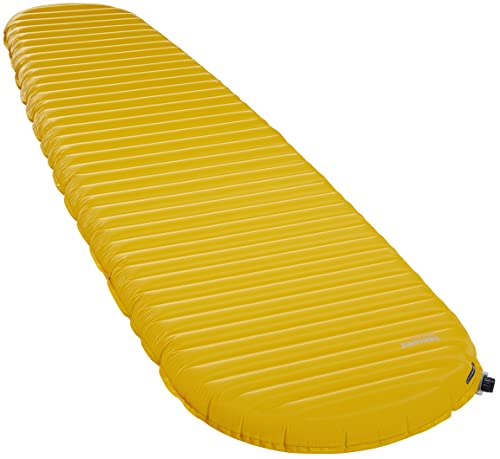
Weight and Packability: Where Ounces Actually Matter
The regular-length XLite NXT weighs 12 ounces and packs down to the size of a one-liter water bottle. That puts it in the same category as Big Agnes’s ultralight models—light enough that you’ll notice the difference on a five-day trek, compact enough to fit inside your pack rather than strapped to the outside.
Pack size matters more than many backpackers realize until they’re actually standing in camp. A pad that compresses smaller leaves room for a bear canister, extra layers, or a second day’s food. We use a triangular baffle design that folds tighter than traditional horizontal tubes, which is why the XLite NXT doesn’t balloon back out the moment you release the stuff sack’s compression strap.
If you’re comparing measurements on paper, remember that stated pack size often assumes perfect rolling technique and a brand-new pad. Real-world pack size after a season of use tells you more—look for a baffle structure that maintains its shape rather than one that relies purely on fabric tension.
R-Value and Real-World Warmth: What the Numbers Actually Mean
The NeoAir XLite NXT carries an R-value of 4.5, which translates to reliable three-season use down to about 25°F for most sleepers. That’s warmer than many ultralight pads in its weight class, thanks to the way our Triangular Core Matrix traps heat inside hundreds of small air cells rather than a few large chambers.
R-value is an industry-standard measurement now, which makes cross-brand comparisons easier than they used to be. A 4.5 R-value pad from any manufacturer should perform similarly in controlled lab conditions. The difference shows up in durability and how that R-value holds up after a year of use—some pads lose warmth as baffles stretch or coatings wear.
If you regularly camp in temperatures below 20°F, consider the NeoAir XTherm NXT instead. It adds two ounces but jumps to an R-value of 7.3, which keeps you comfortable well into winter conditions without requiring a separate foam underlayer.
Noise, Durability, and the Features Nobody Mentions in Spec Sheets
Crinkle Factor
Early-generation ultralight pads earned a reputation for sounding like a potato chip bag every time you shifted position. The XLite NXT’s face fabric is quieter than our previous models, though it’s not silent—any pad light enough to pack this small will make some noise. If you’re a restless sleeper sharing a tent with a light sleeper, it’s worth acknowledging.
Puncture Resistance
The 30-denier nylon face fabric balances weight against durability better than the 20-denier material some competitors use. We’ve seen these pads come back from the Pacific Crest Trail, the Colorado Trail, and multi-week trips in the Wind River Range without needing a patch. That said, every air pad can puncture—carry a repair kit and site your tent carefully.
Valve Design
The WingLock valve lets you inflate and deflate without fighting a fiddly twist mechanism. It’s a small detail that matters at 7,000 feet when your hands are cold and you just want to get inside your sleeping bag. The valve also accepts our pump sack if you prefer not to add moisture from your breath on humid trips.

How the XLite NXT Compares to Other Options in Our Lineup
If you’re considering a Big Agnes sleeping pad alternative, you’re probably also comparing models within our own range. The NeoAir XLite NXT Max adds width—25 inches instead of 20—for side sleepers who feel confined on a standard mummy pad. It weighs three ounces more but still packs smaller than most competitor pads in the wide category.
The NeoAir XTherm NXT Max combines that extra width with winter-grade insulation if you’re planning shoulder-season or high-altitude trips where temperatures drop unexpectedly. It’s heavier—19 ounces for the regular length—but that’s still lighter than carrying the XLite NXT plus a foam pad underneath for extra warmth.
For pure summer use below treeline, the NeoAir Xlite remains a solid choice if you prioritize weight over warmth. It drops to 8 ounces but sacrifices two full R-value points, which makes it a poor choice once you’re camping above 10,000 feet or anywhere temperatures dip below freezing.
Deciding If the NeoAir XLite NXT Fits Your System
Switching sleeping pad brands isn’t about loyalty—it’s about finding the specific combination of warmth, weight, and durability that matches how you actually camp. The XLite NXT works well for three-season backpackers who cover serious miles and camp in variable conditions, from desert floors to alpine basins.
If you’re comparing this pad to Big Agnes options, focus on the features that affect your comfort most: R-value for the temperatures you encounter, pack size for the gear you carry, and width if you’re a restless sleeper. Every ultralight pad makes trade-offs—the question is which trade-offs matter least for the trips you’re planning next.
Common Questions About Switching Sleeping Pad Brands
Side sleepers often prefer wider pads to avoid rolling off the edge during the night. The standard 20-inch width works for most back sleepers, but if you’re a committed side sleeper, the 25-inch Max version offers more room without a significant weight penalty.
Thickness also matters—the XLite NXT inflates to 3 inches, which provides enough cushion that your hip or shoulder won’t bottom out on rocky ground. That’s comparable to most competitor pads in this category.
Most users need 10 to 15 breaths to fully inflate the regular-length pad. The triangular baffles fill efficiently because air spreads through the internal structure rather than pooling in one end.
If you’re camping at altitude or prefer not to add moisture from your breath, a pump sack takes about 30 seconds and eliminates condensation inside the pad. We sell a compatible pump sack separately, though any stuff sack with a valve adapter will work.
The 4.5 R-value provides adequate insulation for packed snow camping in moderate temperatures, but frozen ground pulls heat faster than most backpackers expect. If you’re planning winter trips, the XTherm NXT’s higher R-value is a safer choice.
Pairing the XLite NXT with a closed-cell foam pad underneath adds insulation and puncture protection on abrasive surfaces like neve or wind-scoured ice. That combination works well for spring mountaineering when you’re trying to save weight but still need reliable warmth.
We cover manufacturing defects for the life of the product, which includes seam failures or valve malfunctions. Punctures from sharp objects or abrasion aren’t covered under warranty, but we sell repair kits and provide detailed repair instructions on our site.
Most field repairs take five minutes once the adhesive cures. Carry a patch kit and a small square of tenacious tape—it weighs almost nothing and handles temporary fixes until you can apply a proper patch back home.
A properly inflated pad will lose a small amount of pressure as the air inside cools to match ambient temperature—that’s physics, not a leak. If you’re inflating the pad inside a warm tent and then temperatures drop overnight, you may notice the pad feels slightly softer by morning.
Top off the pad after it’s been lying flat for 10 minutes if you want maximum firmness. True leaks are rare with the WingLock valve system, but if you suspect a slow leak, submerge the inflated pad in water and look for bubbles to locate the puncture.
The aluminized reflective layer inside the pad doesn’t absorb moisture, so condensation from your breath won’t degrade insulation performance the way it does with synthetic-fill pads. That makes it a good choice for humid environments like the Southeast or Pacific Northwest.
The face fabric dries quickly if you’re packing up a wet tent in the morning. Shake off surface water, stuff it, and keep moving—you don’t need to wait for the pad to air-dry before packing unless you’re storing it long-term.