
NeoAir XLite NXT vs NeoAir XTherm NXT: Which Pad Fits Your Trip?
Choosing between our NeoAir XLite NXT Sleeping Pad and the Therm-a-Rest NeoAir XTherm NXT Sleeping Pad often comes down to one question: where are you headed? Both pads share the same internal architecture and premium materials, but they’re built for different conditions.
The XLite NXT prioritizes minimal pack weight for three-season trips, while the XTherm NXT adds insulation for winter camping and high-altitude expeditions. This backpacking sleeping pad comparison walks through the trade-offs in warmth, weight, and real-world performance so you can match the pad to your itinerary.
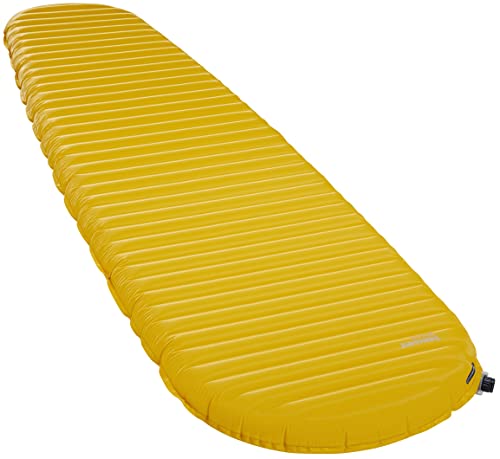
R-Value and Temperature Range: Where Each Pad Excels
The XLite NXT delivers an R-value of 4.5, making it suitable for spring through fall trips where overnight lows stay above freezing. The XTherm NXT jumps to an R-value of 7.3, designed for snow camping and sub-zero nights.
That difference translates to roughly 30°F of added warmth in real-world testing. If your calendar includes winter ascents or shoulder-season alpine routes, the XTherm’s extra insulation keeps you off the cold ground without adding a second pad or heavy bag.
For most backpackers tackling summer trails and moderate-elevation camps, the XLite’s rating covers the range you’ll encounter. The extra warmth in the XTherm becomes dead weight unless you’re genuinely facing freezing conditions.
Weight and Packed Size: The Grams That Matter
The XLite NXT (regular width) weighs 12 ounces and packs down to roughly the size of a one-liter water bottle. The XTherm NXT in the same length comes in at 15 ounces with a slightly thicker roll.
Three ounces may not sound significant, but over a multi-day trip it compounds with every other gram you carry. If you’re chasing ultralight targets or logging 15-mile days, the XLite’s profile keeps your base weight competitive.
Max-Width Models
Both pads also come in Max versions—the Therm-a-Rest NeoAir XLite NXT Max Sleeping Pad and Therm-a-Rest NeoAir XTherm NXT Max Sleeping Pad—which add 5 inches of width for side sleepers and restless movers. The Max versions weigh about 3 ounces more than their standard counterparts but offer noticeably more room if you find yourself rolling off narrower pads at night.
Durability and Field Repair: Built the Same Way
Both the XLite NXT and XTherm NXT use a 30-denier ripstop face fabric with a polyurethane coating, so puncture resistance is identical. Neither pad is indestructible, but both survive rocky campsites and pine-needle carpets without constant babying.
We include a repair kit with every pad, and patch jobs take about two minutes once the adhesive sets. The internal baffle structure is the same across both models, so inflation time and valve performance are indistinguishable in the field.
The only durability consideration is that the XTherm’s reflective layer adds a faint crinkle sound when you shift at night. Some sleepers notice it for the first night or two; others never register it at all.
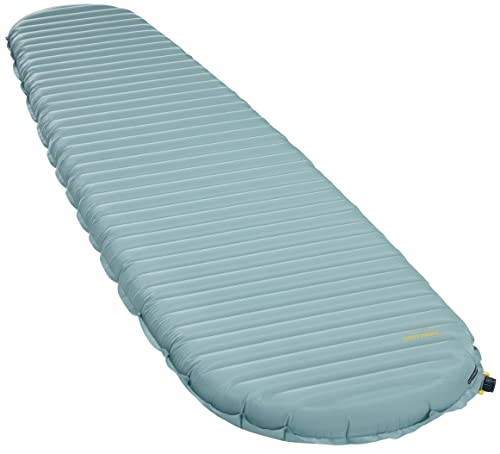
Real-World Scenarios: Matching Pad to Trip
If your season runs April through October and you rarely camp above 10,000 feet, the XLite NXT covers the span without penalty. It’s the pad we reach for on Sierra thru-hikes, Appalachian summer sections, and desert spring loops.
The XTherm NXT earns its place on winter ski tours, February desert trips where overnight temps drop into the teens, and any high-altitude route where you’re sleeping on snow. The extra R-value keeps your bag’s loft intact and lets you carry a lighter-rated quilt if you’re counting every ounce.
Crossover Conditions
For shoulder-season trips—think late September in the Rockies or early November in the Southwest—the choice depends more on your cold tolerance than the calendar. A summer-weight bag paired with the XTherm lets you push deeper into fall without upgrading your entire sleep system.
Picking the Right Pad for Your Calendar
The XLite NXT and XTherm NXT use the same construction and materials; the difference is purely how much insulation sits between you and the ground. If your trips stay above freezing, the XLite’s lighter profile makes more sense. If you’re planning snow camps, high-altitude routes, or shoulder-season excursions where temps drop into the teens, the XTherm’s warmth justifies the extra ounces.
Neither pad is a compromise—they’re built for different conditions, and choosing correctly means you’re carrying exactly what the trip requires and nothing more.
Questions About Choosing Between XLite and XTherm
You can, but you’ll still lose heat to the ground if the pad’s R-value doesn’t match the conditions. A 0°F bag paired with a 4.5 R-value pad will feel colder than a 20°F bag on a 7.3 R-value pad, because ground conduction bypasses your bag’s insulation.
If winter trips are on your calendar more than once or twice a year, the XTherm is the better foundation.
If you’re a side sleeper, move around a lot at night, or find yourself waking up with an arm or shoulder off the pad, the extra 5 inches make a tangible difference. The weight penalty is about 3 ounces.
Most stomach and back sleepers are fine on the standard 20-inch width, but it’s worth testing at home if you’re unsure.
It produces a faint crinkle when you shift positions—quieter than an emergency blanket but more audible than fabric alone. Most users stop noticing it after the first night or two.
If you’re an extremely light sleeper or share a tent with someone who is, it’s worth considering, but it rarely becomes a deal-breaker in practice.
Start with the XLite NXT unless you know your first trips will involve snow or freezing temps. It covers the widest range of conditions most new backpackers encounter, and the lighter weight makes those early miles more manageable.
You can always add the XTherm later if your ambitions shift toward winter camping.
Yes—the valve design is identical across the entire NeoAir NXT line. Both pads are compatible with our pump sack and electric pump accessories, and both inflate in roughly the same number of breaths if you’re doing it manually.
With proper care—storing them unrolled and patching small punctures promptly—both the XLite NXT and XTherm NXT routinely see 100-plus nights in the backcountry. The seams and baffles are heat-welded rather than glued, so they don’t delaminate over time the way older designs sometimes did.