


Therm-a-Rest RidgeRest Solite Sleeping Pad
Our RidgeRest Solite brings proven closed-cell foam technology to ultralight backpackers who refuse to compromise on warmth. We designed this pad for fast-and-light missions where every ounce counts and gear failure isn't an option.
The egg-crate ridge pattern traps warm air in its peaks while the aluminum coating reflects radiant heat back to your body. At just 14 ounces for the regular length, the Solite delivers an R-value of 2.8—enough insulation for three-season use without the weight or vulnerability of inflatable pads.
We built the Solite for backcountry reliability. Closed-cell foam never needs inflation, can't puncture, and performs in freezing temperatures when other pads fail. Strap it to the outside of your pack and it's ready the moment you reach camp.
Solite design highlights
Closed-cell foam construction & heat reflection
The Therm-a-Rest RidgeRest Solite uses closed-cell polyethylene foam that creates thousands of independent air pockets throughout the pad. Each cell remains sealed, preventing moisture absorption and maintaining insulation even if the outer surface gets damaged. We coat one side with heat-reflective aluminum that bounces radiant body heat back toward you rather than letting it escape into cold ground.
The ridged egg-crate pattern across the surface increases the pad’s effective thickness without adding weight. Those peaks create dead air space—the most efficient natural insulator available. When you lie on the pad, the valleys compress slightly while the ridges maintain their shape, giving you consistent support and thermal protection throughout the night.
Dimensions, weight & packed size
We offer the RidgeRest Solite in two lengths to match different body sizes and pack configurations. The regular measures 72 inches long by 20 inches wide, providing full-body coverage for sleepers up to 6 feet tall. Total weight is 14 ounces. The small version runs 48 inches long—ideal for torso-only coverage or youth campers—and weighs just 10 ounces.
Both sizes roll or fold to strap onto the outside of your pack. The regular compresses to a 20-inch cylinder with a 6.25-inch diameter. Because closed-cell foam doesn’t require a stuff sack or protective storage, you can lash it directly to your pack’s exterior and access it instantly at camp. Many backpackers prefer external carry for the Solite since it frees interior pack space for gear that needs weather protection.
Use cases & seasonal performance
Three-Season Backcountry Camping
The RidgeRest Solite excels in spring through fall conditions where overnight lows stay above 20°F. We designed this pad for backpackers covering long distances who need guaranteed insulation without carrying repair kits or worrying about thorns and sharp rocks. The R-value of 2.8 provides adequate warmth for most three-season trips when paired with an appropriate sleeping bag.
Winter Layering & Expedition Use
Many of our sponsored athletes use the Solite as a foundation layer beneath their inflatable pads during winter expeditions. Closed-cell foam adds puncture protection and provides backup insulation if the inflatable develops a leak. Mountaineers appreciate that the Solite never fails in subzero temperatures—there’s no valve to freeze and no air pressure to lose at altitude. We’ve tested this combination on Denali climbs and winter traverses across the Wind River Range with consistent results.
More closed-cell foam sleeping pads from Therm-a-Rest

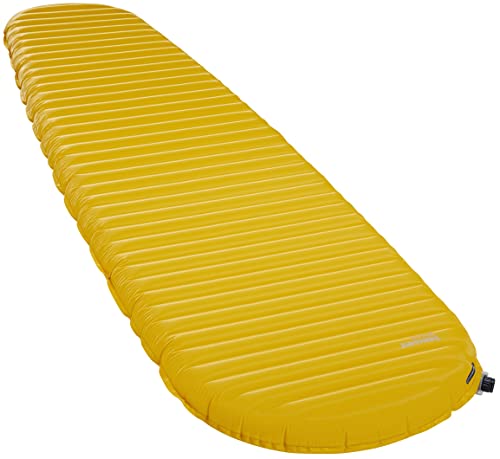
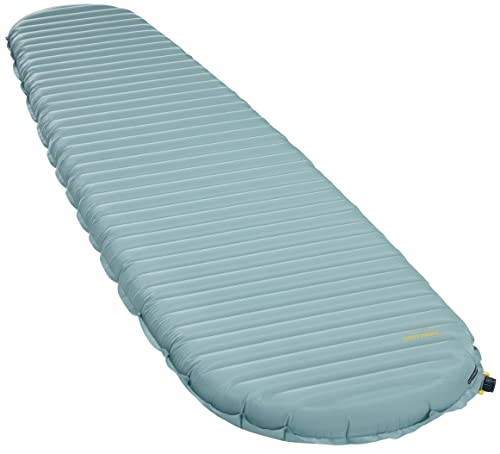

Rated 4.8 by verified buyers


Common questions about the RidgeRest Solite
The RidgeRest Solite has an R-value of 2.8, which provides adequate insulation for three-season camping in temperatures down to approximately 20°F when paired with an appropriate sleeping bag. For winter use or colder conditions, we recommend layering the Solite beneath an inflatable pad to increase total R-value. The closed-cell foam maintains this insulation rating regardless of altitude, humidity, or age—there's no degradation over time like you might see with air-filled pads.
The Solite is designed for external carry on your pack. Roll or fold the pad lengthwise, secure it with the included elastic strap, and attach it to your pack's exterior using compression straps or bungee cords. Most backpackers position it vertically along the back panel or horizontally across the top. Because closed-cell foam doesn't require weather protection, external carry frees valuable interior pack space for gear that needs to stay dry.
Yes, closed-cell foam performs reliably in freezing conditions where inflatable pads can lose pressure or fail. The Solite's R-value of 2.8 alone may not provide sufficient insulation for winter camping, but it works exceptionally well as a base layer beneath an inflatable pad. This combination adds puncture protection, increases total R-value, and ensures you have backup insulation if your inflatable develops a leak. Many mountaineers and winter campers use this layering system for expeditions in subzero temperatures.
Place the aluminum-coated side facing up toward your body. The reflective coating bounces radiant heat back to you rather than allowing it to escape into the ground. We mark this side at the factory to help with correct orientation. The non-coated side contacts the ground and provides a gripping surface that helps prevent the pad from sliding during the night.
The Solite uses lighter-density foam and a thinner profile to save weight—the regular Solite weighs 14 ounces compared to 15 ounces for the Classic. Both pads share the same ridged surface pattern and aluminum coating. The Classic offers slightly more cushioning due to its thicker construction, while the Solite prioritizes weight savings for ultralight backpackers. Both deliver similar R-values and three-season performance.
The aluminum coating may show cosmetic wear in high-contact areas after extended use, particularly where your hips and shoulders compress the foam most heavily. This surface wear doesn't significantly affect the pad's insulating performance—the primary insulation comes from the closed-cell foam structure itself, not the coating. The reflective layer adds warmth but the underlying foam continues to trap air and provide thermal protection even if the coating flakes or peels.
Yes, you can trim the Solite with household scissors or a utility knife to create a custom torso-length pad or fit specific pack configurations. Cut perpendicular to the ridges for the cleanest edge. Many ultralight backpackers cut their pads to hip-to-shoulder length and use their empty backpack as leg insulation to save additional weight. The closed-cell structure won't unravel or degrade at cut edges.