


Therm-a-Rest Trail Lite Sleeping Pad
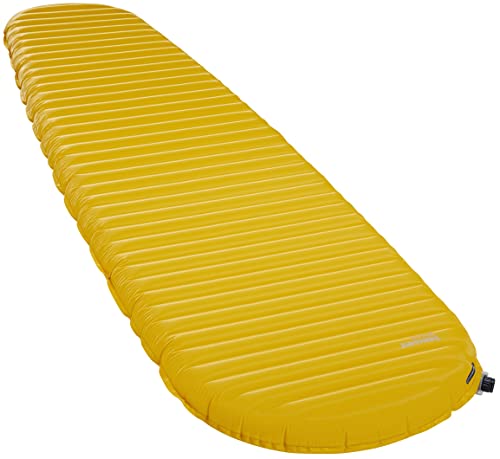
We built the Therm-a-Rest Trail Lite for backpackers who need proven warmth without the bulk. This self-inflating pad combines our pressure-mapped foam core with a durable 50D polyester shell, delivering an R-value of 4.4 for reliable insulation down to 15°F. The rectangular design measures 72 x 20 inches when inflated, offering ample room to shift positions through the night while still packing down to the size of a one-liter water bottle.
The Trail Lite uses our classic self-inflation system—open the valve, and the open-cell foam expands to draw in air automatically. A few manual breaths top off firmness to your preference. When morning comes, the oversized WingLock valve vents air in seconds, and the foam compresses tightly for your next carry. We include a stuff sack with integrated compression straps and our field repair kit, so you're covered from trailhead to summit.
Trail Lite specifications
Foam core construction and warmth rating
The Trail Lite relies on vertically-oriented open-cell foam that self-inflates when you release the valve. We die-cut this foam in a pressure-mapped pattern, removing material where your body needs less support and retaining density under hips and shoulders. This targeted approach shaves weight while maintaining an R-value of 4.4, which translates to comfortable sleep in temperatures down to 15°F.
The 50D polyester shell resists abrasion from tent floors and rocky campsites. We laminate the fabric directly to the foam core, eliminating the internal air chambers that can fail in cheaper pads. If a puncture does occur, the included repair kit carries patches and adhesive for field fixes. The same self-inflating foam technology we use in the Trail Pro lineup appears here in a trimmed-down package, giving you proven warmth without the extra ounces.
Dimensions and packed size
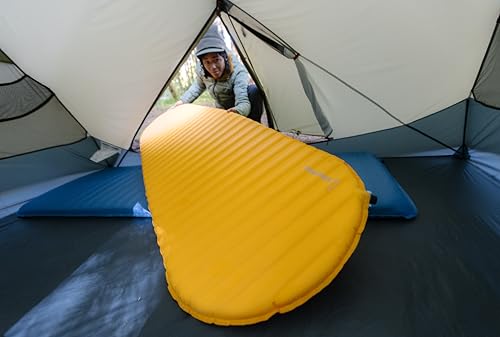
At 72 inches long and 20 inches wide, the Trail Lite accommodates sleepers up to six feet tall with room to shift positions. The rectangular shape offers more elbow space than tapered mummy pads, and the 2.5-inch loft cushions side sleepers on uneven ground. When you roll it up, the foam compresses to a 10 x 6.5-inch cylinder that slides into the included stuff sack.
We spec the Trail Lite at 1 pound 14 ounces, placing it in the middle of our self-inflating range. The compression straps on the stuff sack cinch the rolled pad tightly, and you can lash it horizontally to the bottom of your pack or stand it vertically inside the main compartment. For multi-day trips where every ounce counts, the Trail Lite strikes a balance between packability and the comfort of foam insulation.
Valve system and inflation process
WingLock valve operation
The oversized WingLock valve sits at the top edge of the pad, featuring a one-way flapper that opens in both directions. Twist the valve counterclockwise to unlock, and the foam begins drawing air immediately. Full inflation takes two to three minutes without any breath from you; adding three to five manual breaths firms the surface to your preferred support level.
Deflation reverses the process—open the valve fully, kneel on the pad starting at the foot end, and roll toward the valve to force air out. The large bore exhausts air faster than traditional pin valves, and the foam’s compression memory helps the pad fold flat. Close the valve once air is expelled, and the pad stays compressed during packing.
More self-inflating pads from our trail collection


Rated 4.8 by verified buyers


Common questions about the Trail Lite pad
The Trail Lite carries an R-value of 4.4, which provides insulation for three-season camping in temperatures down to approximately 15°F when paired with an appropriately rated sleeping bag. This R-value comes from the pressure-mapped open-cell foam core combined with the 50D polyester shell laminate.
The pad self-inflates in two to three minutes after you open the WingLock valve. The open-cell foam expands and draws air in automatically. Adding three to five manual breaths after self-inflation firms the surface to your preferred support level.
Yes, we include a field repair kit with every Trail Lite. The kit contains two self-adhesive patches and a tube of sealant for punctures or tears. Clean the damaged area, apply sealant, press a patch over the hole, and allow thirty minutes of cure time before re-inflating the pad.
The Trail Lite weighs 1 pound 14 ounces and packs down to a 10 x 6.5-inch cylinder when compressed in the included stuff sack. The compression straps on the sack help reduce bulk for travel, and the packed pad fits horizontally on the bottom of most backpacks or vertically inside the main compartment.
The Trail Lite inflates to a 2.5-inch loft, which provides adequate cushioning for side sleepers on most terrain. The pressure-mapped foam core retains density under hips and shoulders, reducing pressure points. The 72 x 20-inch rectangular shape offers room to shift positions through the night.
Store the pad unrolled with the valve open in a cool, dry location. This prevents the foam from developing a compression set and preserves the self-inflating properties over time. Avoid leaving the pad compressed in its stuff sack for extended periods between trips.
Yes, the 20-inch width accommodates most mummy and semi-rectangular sleeping bags. The flat polyester top surface grips bag shells and reduces sliding during the night. Two Trail Lite pads placed side by side create a 40-inch double sleeping surface for couples sharing a tent.