


Therm-a-Rest Trail Scout Sleeping Pad
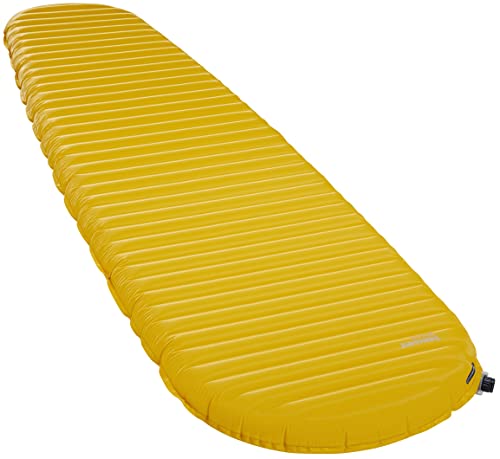
We built the Trail Scout for backpackers who want proven self-inflating technology without the bulk. This sleeping pad uses our pressure-mapped foam core to deliver 2.4 inches of cushioned support while weighing just 1 pound 4 ounces in the regular size. The horizontal core construction compresses smaller than traditional self-inflating designs, so it takes up less room in your pack on multi-day trips.
We paired the open-cell foam with a durable 75D polyester shell that stands up to rocky campsites and repeated use. The WingLock valve lets you fine-tune firmness in seconds, and the entire pad self-inflates in under two minutes when you reach camp. Whether you're tackling a three-day loop or car camping with friends, the Trail Scout balances comfort and pack weight better than any air-only pad in this price range.
Trail Scout specifications
Self-inflating foam construction
The Trail Scout uses a pressure-mapped open-cell foam core that expands when you open the valve, pulling air into the pad without a pump. We arranged the foam horizontally rather than vertically, which lets the pad compress to half the packed volume of older self-inflating designs. This construction gives you the cushioning of foam with the packability of an air pad.
The 2.4-inch loft creates enough separation from the ground to insulate you through cool summer nights and early fall trips. The foam rebounds quickly after compression, so you won’t wake up on hard ground in the middle of the night. Our Trail Pro offers a similar design with diagonal-cut foam if you need slightly more warmth for shoulder-season camping.
Fabric durability and valve system
We chose 75-denier polyester for the Trail Scout’s shell because it resists punctures from gravel, twigs, and tent-floor abrasion without adding unnecessary weight. The fabric is treated with a DWR finish that sheds moisture if condensation forms inside your tent. Every seam is heat-bonded to prevent air leaks over time.
The WingLock valve sits flush with the pad surface to protect it from accidental opening in your pack. Twist it counterclockwise to self-inflate, then give the pad two or three breaths to reach your preferred firmness. When you’re ready to pack up, open the valve fully and roll from the opposite end — the pad deflates in under 30 seconds and slides into the included stuff sack.
Sizing and packed dimensions
The regular Trail Scout measures 72 inches long and 20 inches wide, fitting most sleepers up to 6 feet tall. We also offer a large version at 77 x 25 inches for taller campers or those who prefer extra shoulder room. Both sizes roll to 11 inches long when packed, small enough to strap horizontally on the outside of a 50-liter backpack.
Weight comparison
At 1 pound 4 ounces, the regular Trail Scout weighs about the same as an ultralight inflatable pad but gives you the added reliability of foam. If a puncture happens on the trail, the foam core still provides some insulation and cushioning even with zero air pressure. That redundancy makes self-inflating pads popular with guides and outdoor educators who can’t afford a sleepless night in the backcountry.
More self-inflating pads from Therm-a-Rest




Rated 4.8 by verified buyers


Common questions about the Trail Scout
The Trail Scout self-inflates to about 80 percent firmness in approximately two minutes when you open the valve. Most users add two or three breaths to reach their preferred firmness level. The speed depends slightly on temperature — the pad inflates faster in warm conditions because the foam expands more readily.
The Trail Scout has an R-value of 2.2, which provides adequate insulation for three-season camping in temperatures down to around 40°F when used with an appropriate sleeping bag. For colder conditions, you can layer it with a closed-cell foam pad underneath to increase the combined R-value. The open-cell foam core delivers consistent insulation across the entire sleeping surface.
Yes, every Trail Scout includes a repair kit with fabric patches and adhesive. Clean the punctured area with an alcohol wipe, apply a thin layer of adhesive, press the patch firmly over the hole, and allow 24 hours to cure before inflating. The self-inflating foam core will still provide some cushioning and insulation even if the air leaks out, giving you a backup sleeping surface until you can make the repair.
Store your Trail Scout unrolled with the valve open in a cool, dry place. This allows the foam to stay fully expanded and maintain its loft over time. Avoid storing it compressed in the stuff sack for extended periods, as prolonged compression can reduce the foam's ability to self-inflate. If the pad feels less firm after storage, lay it flat in indirect sunlight for an hour to help the foam regain full expansion.
The regular size measures 72 x 20 inches and works well for most sleepers up to 6 feet tall. The large version at 77 x 25 inches accommodates taller campers or those who prefer extra shoulder room and side-sleeping space. Both sizes pack to the same 11-inch length when rolled, though the large version has a slightly larger diameter when compressed.
No, the Trail Scout is nearly silent because the open-cell foam core absorbs movement instead of crinkling like some air pads. The polyester shell produces minimal noise when you shift positions. If you're a restless sleeper or sharing a tent with others, the quiet performance of self-inflating foam is a notable advantage over crinkly inflatable designs.
The Trail Scout offers more durability and reliability than a pure air pad because the foam core provides cushioning even if the air leaks out. It self-inflates without a pump, saving time at camp. Air pads are typically lighter and pack smaller, but they offer no support if punctured. The Trail Scout balances weight, packability, and redundancy for backpackers who prioritize a good night's sleep over shaving every ounce.